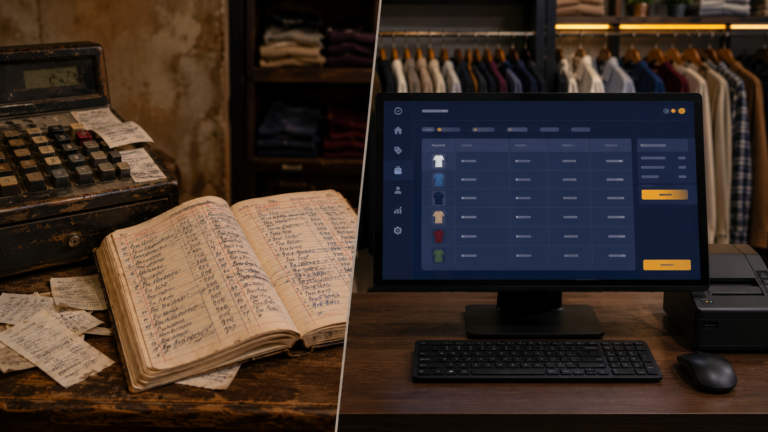
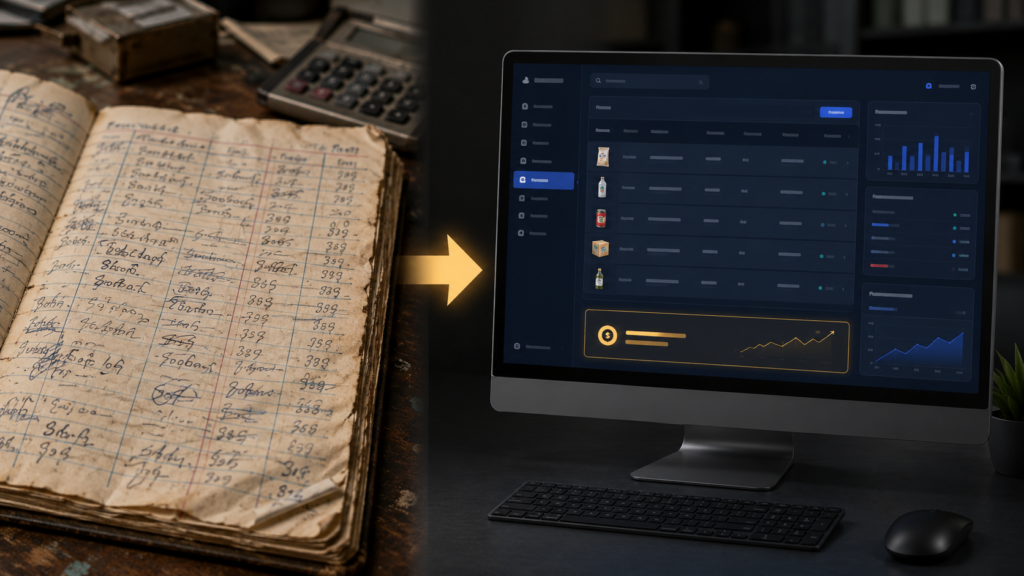
This series began with a clothing shop running on paper and memory, and it ends with that shop running on a single Python file and a single database file. Billing at the counter with live product search, stock that counts itself down, and a report that shows real profit per product, something the paper register could never do. This last post is the honest look back at what the project became, and what building software for a real business taught me.
What the software became
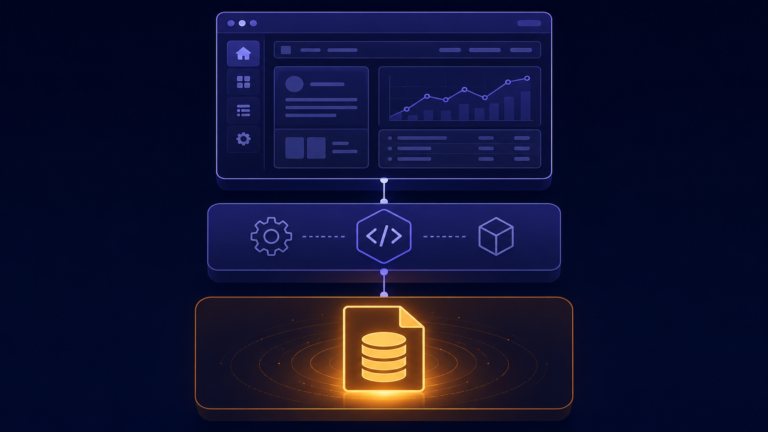
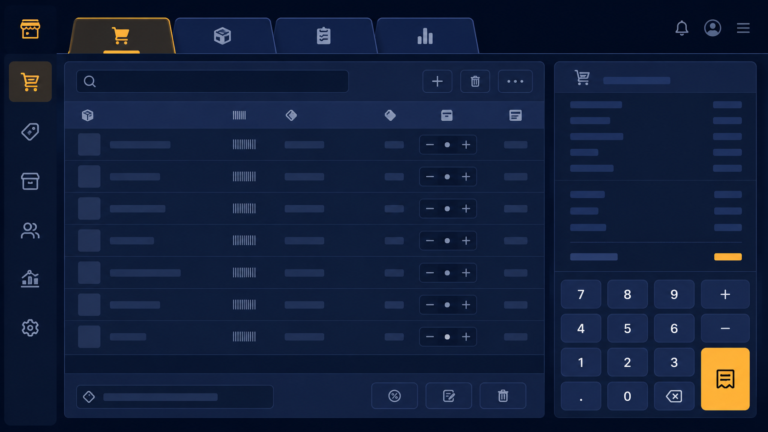
Technically, it is one Tkinter application around one SQLite database. Three tables carry the whole business, products with cost price stored beside selling price, sales as invoice headers, and sale_items as the lines tying each sale to its products through foreign keys. The interface is a ttk.Notebook whose first tab is Create Invoice, because the counter is the point. Search is a parameterised LIKE query across name and article number, firing on every keystroke. The receipt is an instant Toplevel preview in a monospaced font, which replaced a PDF library and took the dependency count back to zero. It launches through pythonw with no console, reports errors through a messagebox hook, and the entire program held under 600 lines because repetition kept getting folded into small reusable functions.
The technical lessons that stuck
Profit is a schema decision, if cost price is not stored beside selling price from the first product entered, no report can ever compute honest margin. SQLite saves nothing until you commit, and a billing system that forgets sales is worse than paper. CREATE TABLE IF NOT EXISTS does not alter existing tables, schema changes on live data need ALTER TABLE. Identifiers belong in TEXT columns, article numbers carry letters. Parameterised queries are not optional, the first apostrophe in a search proves why. The first tab of a notebook is a design decision about someone’s working day. Monospaced fonts and format specs are what make plain text line up like a real receipt. And pythonw hides the console but also hides your crashes, so silent windows demand visible error handling.
What the shop taught me that code could not
Real users redesigned this software more than I did. The article number field exists because that is how the shop already talked. The billing-first layout exists because a queue does not wait while software finds its purpose. The PDF receipts died because a five-second glance does not need a document. Every one of my professional instincts that got cut, category fields, PDF output, more options, was me building for an imagined user instead of the person at the counter. The discipline of this project was letting the shop’s reality overrule my thoroughness, again and again.
A few things people ask me about this
Would this approach work for other kinds of shops? Yes, the shape is universal, products with cost and selling price, sales as header plus lines, billing-first interface. What changes per business is the vocabulary, find their article number, the identifier they already speak, and build around it.
What would you add next? A one-click backup that copies the .db file with a dated name, because the whole business now lives in that file, and low-stock alerts on the report tab. Both are small, both matter more than any flashy feature.
Biggest single mistake to avoid? Not storing cost price from day one. Every other feature can be added later, but profit history cannot be reconstructed for sales whose costs were never captured.
Where this leads
This project proved I could build something a real business relies on daily, and it sharpened habits, schema-first thinking, ruthless field cutting, small reusable functions, that every later project inherited. The next builds took those habits into much rougher terrain, WordPress plugins with payments and dashboards, where the walls were taller and the debugging darker. Those stories follow.